Wall Panelling
-
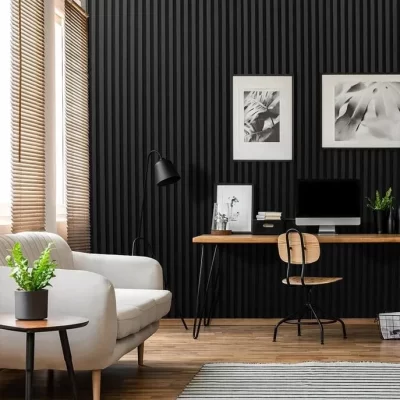
Black Metallic Wall Panelling
From £80.28 (inc. VAT)
From £66.90 (ex. VAT)

-
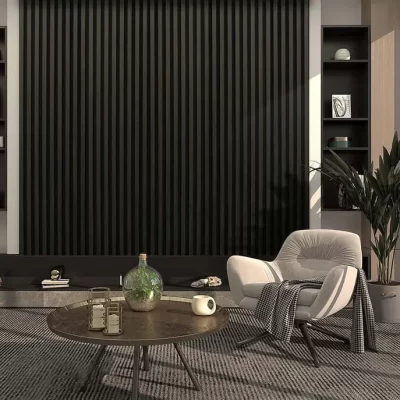
Cinza Wall Panelling
From £80.29 (inc. VAT)
From £66.91 (ex. VAT)
-
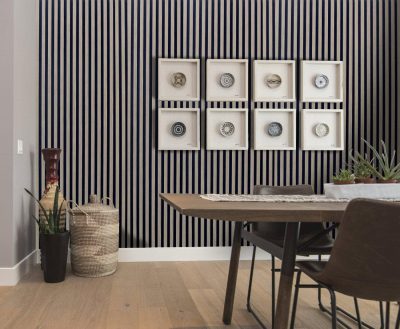
Light Grey Wall Panelling
From £80.29 (inc. VAT)
From £66.91 (ex. VAT)
-
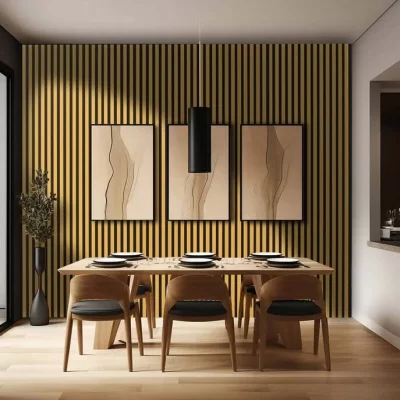
Oak Wall Panelling
From £80.29 (inc. VAT)
From £66.91 (ex. VAT)
-
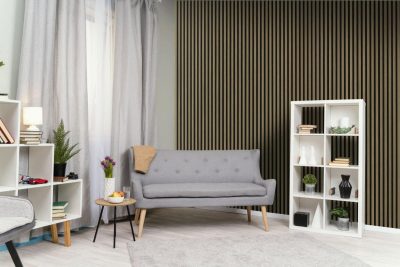
Walnut Wall Panelling
From £80.29 (inc. VAT)
From £66.91 (ex. VAT)
Wall Panelling
Transform plain walls with decorative wall panelling in a choice of contemporary finishes. Our wall panels provide an easy way to introduce colour, texture and character to living rooms, bedrooms, hallways, home offices and other interior spaces.
Choose from Black Metallic, Cinza, Light Grey, Oak and Walnut wall panelling to create anything from a subtle feature wall to a striking focal point within your room.
Whether you prefer the warmth of an oak or walnut appearance, the versatility of light grey or the stronger impact of a darker finish, our wall panelling range gives you several ways to update your interior without relying on paint or wallpaper alone.
Decorative Wall Panels for Modern Interiors
Decorative wall panels can change the appearance of a room by introducing additional depth and visual interest to an otherwise plain wall.
Wall panelling can be used across a complete wall or incorporated into a particular area to create a feature. The right approach depends on the room, the dimensions of the wall and the effect you want to achieve.
Wall panels can also help connect different elements of an interior scheme. Timber-effect finishes can coordinate with doors, flooring and furniture, while grey, black and metallic finishes can complement contemporary fittings and furnishings.
Wall Panelling for a Feature Wall
A feature wall is one of the most popular ways to use decorative wall panelling. Rather than covering every wall in a room, panels can be concentrated on one wall to create a clear focal point.
In a living room, this could be the wall behind a sofa or media unit. In a bedroom, wall panels can provide a backdrop behind the bed. They can also be used in hallways, dining rooms and home offices where you want to introduce more character.
Before choosing a finish, consider the furniture, flooring, internal doors and other colours already present in the room. This can help the new wall panelling feel like part of the overall interior rather than a separate addition.
Oak Wall Panelling
Oak wall panelling brings a warm timber-inspired appearance to an interior and can coordinate particularly well with oak doors, flooring, furniture and other natural finishes.
The lighter wood effect makes oak wall panels a versatile choice for both contemporary and more traditional interiors. They can add character without creating the stronger visual contrast associated with darker wall panelling.
Oak wall panelling can work particularly well in living spaces, bedrooms and hallways where you want to introduce the appearance of natural timber as part of the wider room design.
Walnut Wall Panelling
Walnut wall panelling provides a deeper and richer wood-effect finish. Its darker appearance can create a distinctive feature wall and works particularly well where you want the panelling to become a prominent part of the room.
Consider walnut wall panels for living rooms, bedrooms, dining areas or home offices where darker timber tones complement the surrounding furniture and interior finishes.
Walnut can also be paired with lighter walls and furnishings to create contrast and prevent the overall space from feeling too dark.
Black Metallic Wall Panelling
Black Metallic wall panelling offers a bold contemporary option for interiors where you want to create stronger contrast.
Dark wall panels can work particularly well as a feature behind a television, media unit, bed or other focal point. They can also coordinate with black internal doors, handles, lighting and other darker details within a modern interior.
When using darker wall panelling, consider the amount of natural and artificial light available within the room and how the panels will work alongside the surrounding wall colours.
Light Grey Wall Panelling
Light Grey wall panelling provides a softer neutral option that can complement a wide variety of interior colour schemes.
Grey works particularly well in contemporary interiors because it can be combined with white, black, natural timber and stronger accent colours without dominating the room.
A lighter finish can also be useful where you want to add texture and depth to a wall while maintaining a bright overall appearance.
Cinza Wall Panelling
Cinza wall panelling provides another contemporary finish for creating a decorative feature within the home.
Its neutral appearance makes it suitable for interiors where you want the wall panelling to add visual interest while remaining easy to coordinate with furniture, flooring, doors and surrounding décor.
Compare Cinza with the Light Grey, Black Metallic and timber-effect options to decide which finish works best with the overall style of your room.
Choosing the Right Wall Panelling Colour
Colour can have a major influence on how wall panelling looks once installed, so consider the entire room rather than choosing the panels in isolation.
Oak and Light Grey provide lighter options, while Walnut and Black Metallic can create a stronger feature. Cinza offers an alternative neutral finish for contemporary interiors.
Think about how much natural light enters the room, the colour of your flooring and furniture, and whether you want the wall panels to blend into the space or become an obvious focal point.
If you are panelling a larger area, a lighter finish may create a different overall effect from a darker panel used on a single feature wall.
Wall Panelling for Living Rooms
Living rooms provide plenty of opportunities for decorative wall panels because there are usually several possible focal points within the space.
Wall panelling behind a television or media unit can help visually define that part of the room, while panelling behind a sofa can create an alternative feature wall.
Oak and Walnut finishes can introduce warmer timber tones, while Light Grey, Cinza and Black Metallic can create a more contemporary appearance.
Wall Panelling for Bedrooms
In bedrooms, wall panelling can be used behind the bed to create a strong focal point without covering every wall.
A timber-effect Oak or Walnut finish can add warmth, while Light Grey or Cinza can provide a more neutral backdrop. Black Metallic wall panelling can be considered where a darker, more dramatic bedroom scheme is preferred.
Consider the colour of the bed, flooring, wardrobes and internal doors when selecting your wall panels so the complete room works together.
Wall Panelling for Hallways
Hallways are another area where decorative wall panelling can add character, particularly where the existing walls are otherwise relatively plain.
Because hallways can vary considerably in width and natural light, think carefully about the panel colour and the amount of wall you intend to cover.
Lighter wall panels can maintain a brighter appearance, while darker finishes can create a stronger feature where the space and lighting allow.
Wall Panelling for Home Offices
A panelled wall can provide an attractive backdrop for a home office while giving the workspace a more finished appearance.
Timber-effect wall panelling can work well alongside desks and shelving, while darker or grey panels can create a clean contemporary background.
If the room is also used for video calls, consider which wall is most visible behind the desk when deciding where to install the panels.
Matching Wall Panels With Internal Doors
Wall panelling does not need to match your internal doors exactly, but considering the two together can create a more coordinated interior.
Oak wall panels can complement oak internal doors and other natural timber finishes. Black Metallic panelling can work with black doors or black door furniture, while Light Grey and Cinza provide neutral options that can sit alongside a wide range of door styles.
Walnut wall panelling can be used to introduce a darker timber effect where you want a richer contrast with lighter doors, walls or flooring.
Planning Your Wall Panelling
Before ordering wall panels, decide exactly which wall or walls you intend to cover and measure the area carefully.
Measure the wall width and height and take account of doors, windows, radiators, sockets, switches and other features that may affect the installation.
Planning the layout in advance also helps you determine where cuts may be required and how the panelling will finish at the edges of the wall, ceiling and skirting board.
Check the dimensions and coverage of the individual wall panelling product before calculating how many panels you need.
Installing Wall Panels
The correct installation method depends on the particular wall panelling product and the surface to which it is being fitted.
Before installation, check that the wall is suitable for the panels and follow the manufacturer’s fitting instructions. The recommended method of fixing, cutting and finishing can vary between products, so do not assume that every type of wall panelling is installed in exactly the same way.
Plan the layout carefully before making any cuts, particularly around electrical sockets, switches and other fittings.
If you are unsure about fitting the wall panels or working around electrical fittings, use an appropriately experienced tradesperson.
Wall Panelling Ideas
Wall panelling can be used in several ways depending on the size and style of your room.
Create a full feature wall behind a bed or sofa, use wall panels to define a media area, add character to a home office or introduce a decorative finish to an otherwise plain hallway.
You can also use the finish of the panels to connect different elements within the room. For example, Oak wall panelling can echo other timber finishes, while Black Metallic panels can coordinate with black handles, lighting and furniture details.
Frequently Asked Questions
Is Wall Panelling a Good Idea?
Wall panelling can be a great way to add colour, texture and visual interest to an interior. It is particularly effective when you want to create a feature wall or introduce an additional decorative finish beyond paint or wallpaper.
Is Wall Panelling Outdated?
No. Wall panelling can work in both contemporary and traditional interiors. The overall appearance depends heavily on the panel design, finish and how it is incorporated into the room.
What Colours of Wall Panelling Are Available?
Our current wall panelling range includes Black Metallic, Cinza, Light Grey, Oak and Walnut finishes, giving you a choice of neutral, dark and timber-effect designs.
Can I Use Wall Panelling to Create a Feature Wall?
Yes. A feature wall is an effective way to use decorative wall panels. Popular locations include behind a bed, sofa, television or desk, although the best position depends on the layout of your room.
Can Wall Panels Be Used in a Bedroom?
Yes. Wall panelling can create an attractive feature behind a bed or on another focal wall within a bedroom. Choose the colour and finish according to the lighting and wider interior scheme.
Can Wall Panelling Be Used in a Living Room?
Yes. Decorative wall panels can be used in living rooms to create a feature behind a television, media unit, sofa or other focal point.
How Do I Measure for Wall Panelling?
Measure the width and height of the area you want to panel and calculate the total coverage required. Remember to account for doors, windows and other features, and compare your measurements with the dimensions and coverage stated for the individual wall panel product.
What Is the Cheapest Way to Panel a Wall?
The cost depends on the wall size, panel product and amount of material required. Rather than assuming one type is always cheapest, measure the area and compare the coverage and current price of the available wall panelling options.
Can I Install Wall Panels Myself?
This depends on the particular wall panels, the condition of the wall and your DIY experience. Always follow the manufacturer’s installation instructions and use an experienced tradesperson where necessary.
Can Wall Panelling Be Used in Bathrooms?
Only use wall panelling in bathrooms or other humid areas if the particular product is specifically stated to be suitable for those conditions. Do not assume that decorative interior wall panels are moisture resistant unless the product specification confirms it.
Shop Wall Panelling Online
Explore our range of decorative wall panelling in Black Metallic, Cinza, Light Grey, Oak and Walnut finishes and find the right style for your interior.
Whether you are creating a feature wall in a living room, adding character to a bedroom or updating a hallway or home office, choose your preferred finish, calculate the coverage required and order your wall panels online from Doors & Floors Galore.
Our Trusted Brands